
Technical resources
Better information. A stronger marine brief.
Practical guides for owners, operators and shipyards preparing vessel documentation, a technical study or an approval submission.
ENGINEERING GUIDES
Understand the work.
Prepare the right inputs.
VESSEL DOCUMENTATION
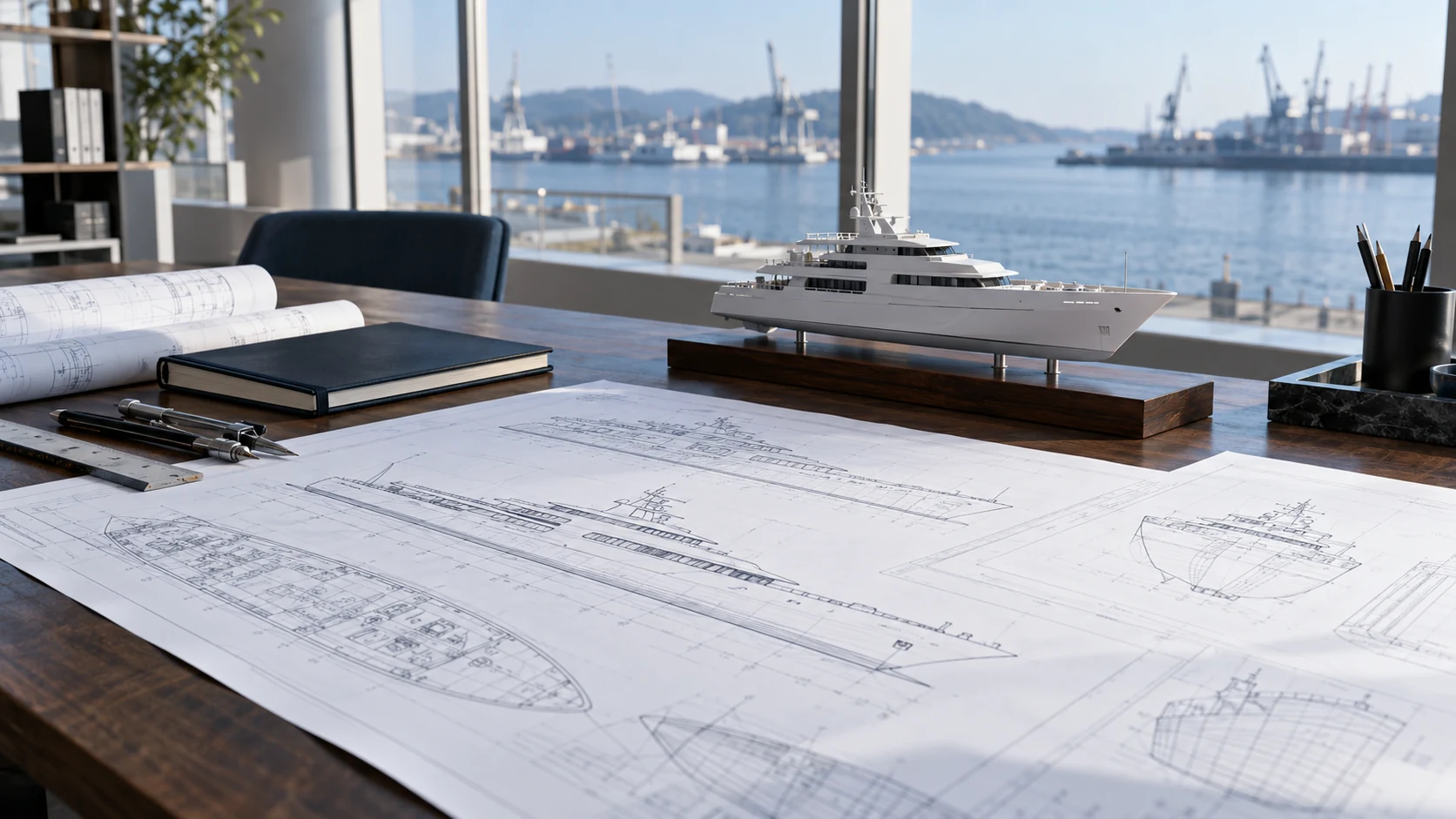
What belongs in a vessel drawing package?
A useful drawing package is defined by its purpose. New construction, a modification and an existing vessel record update can require different levels of detail.
Read the technical guide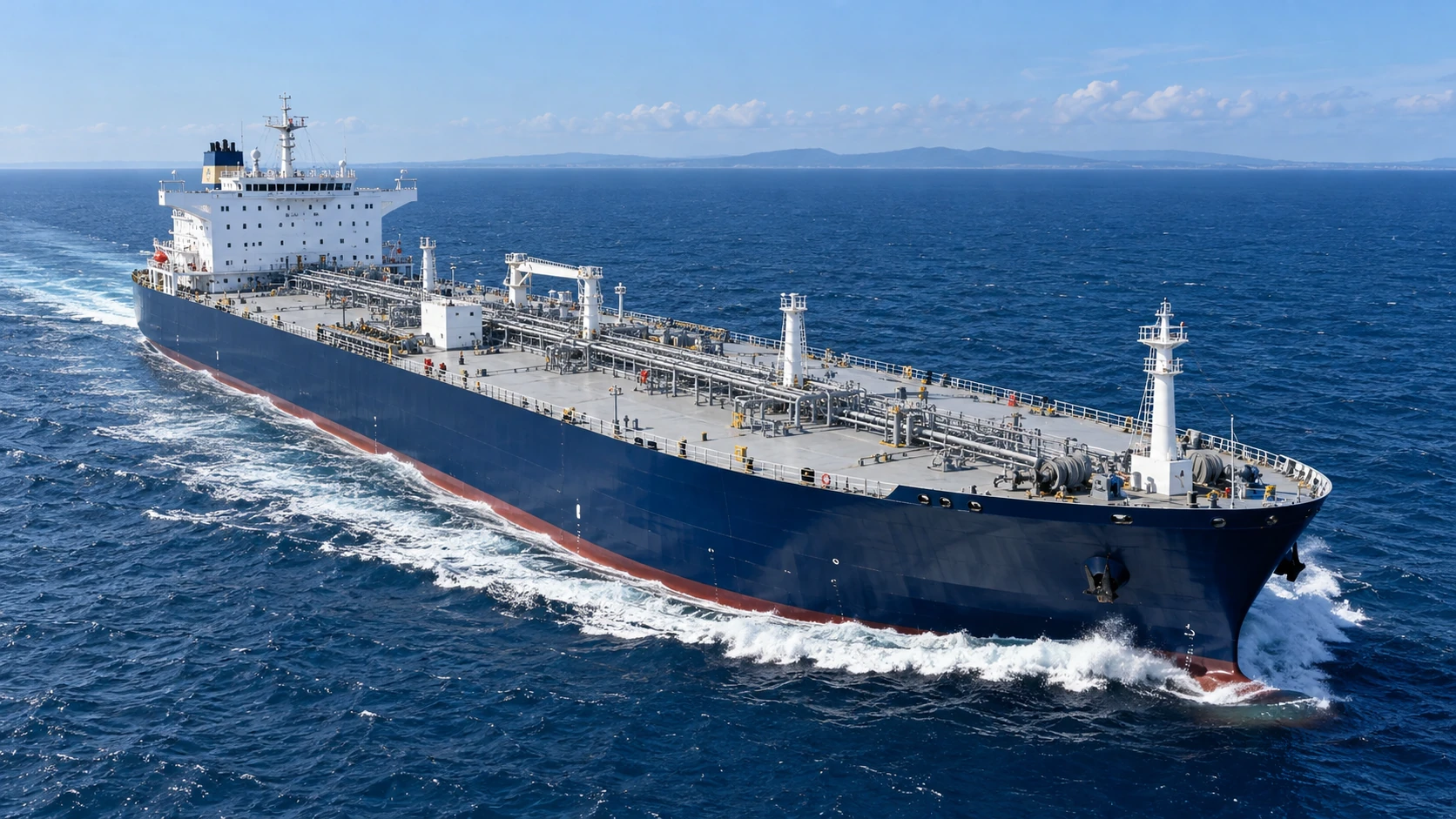
STABILITY & HYDROSTATICS
Preparing the inputs for a stability study
Stability calculations depend on the geometry, weight and loading information used in the assessment. Organising these inputs early helps define a reliable scope.
Read the technical guide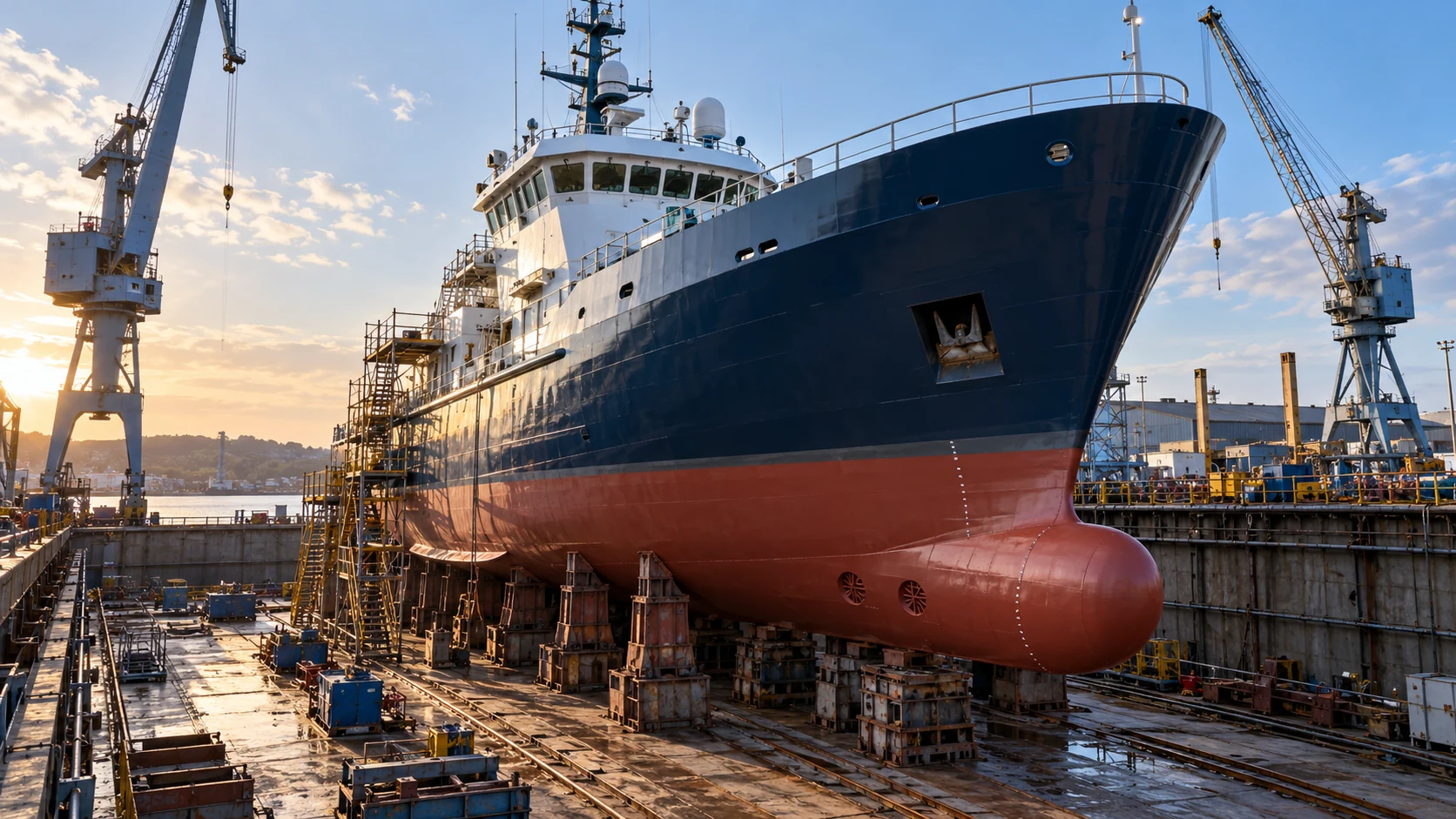
CONVERSIONS & REFITS
Before a vessel modification: what changes?
A change to a vessel can affect several technical workstreams. A clear modification brief helps connect the revised arrangement with the wider engineering consequences.
Read the technical guide
CLASSIFICATION APPROVALS
A clearer route through classification review
An organised submission process makes the technical review easier to follow. The practical focus is on a complete package, traceable responses and controlled revisions.
Read the technical guidePROJECT PREPARATION
A practical starting point
for your first discussion.
Organise the vessel particulars, available records, loading information and review requirements before the technical conversation.
What information do you need to start a project?
Start with the vessel type, the work you need, the intended flag or classification society and your target date. Existing plans, hull dimensions, capacity information, stability records and a description of any proposed changes help us define the scope. If some documents are missing, tell us what is available so the data gaps can be assessed.
Can you support an existing vessel with missing drawings?
Yes. Vessel documentation can be developed or updated using the available records and suitable measurements. The scope depends on the quality of the source information and the purpose of the drawings. Any additional survey or measurement needs are identified before the work is agreed.
Do you prepare stability booklets and updated loading conditions?
We prepare stability calculations and documentation for the agreed vessel configuration and operating conditions. A modification that changes weight, centre of gravity, tanks or service may require a reassessment. The necessary information and applicable criteria are confirmed for each project.
Can you manage classification society submissions?
Yes. We coordinate the submission package, technical correspondence, review comments and revised documents with the selected classification society. The society or competent authority makes the approval decision and may request additional information, surveys or tests.
Which vessel types can you discuss with us?
Enquiries are welcome for commercial vessels, workboats, passenger craft, yachts, barges, fishing vessels and other specialist marine units. We assess the vessel and the required study before confirming a project-specific scope.
How are project fees and delivery dates agreed?
Fees and the programme are defined after the scope, input quality, deliverables and review requirements are understood. External review periods, vessel access and missing information can affect the programme. The proposal sets out the agreed work and milestones.
What file formats will I receive?
Reports and drawing submissions are normally organised as a controlled PDF package. Editable drawing files, models or other formats can be included where agreed in the proposal. The document register identifies the final deliverables and revisions.
Can I discuss a project before I have all the documents?
Yes. Submit a short description through the project enquiry form. Explain your objective, what information you already have and what is missing. This gives us a useful starting point for defining the work.
INDUSTRY REFERENCE POINTS
The framework
starts with the vessel.
Applicable requirements depend on vessel type, size, flag, class, service and the purpose of the submission. The relevant technical basis is confirmed during project scoping.
These official resources provide context for ship design, stability and the role of classification societies.
START THE CONVERSATION
Let’s bring your marine project into focus.
Share your vessel, technical requirements and next milestone. We’ll use your brief to define a coordinated engineering scope.