NAVAL ARCHITECTURE & MARINE ENGINEERINGHOUSTON, UNITED STATES   /   info@msnavtec.com
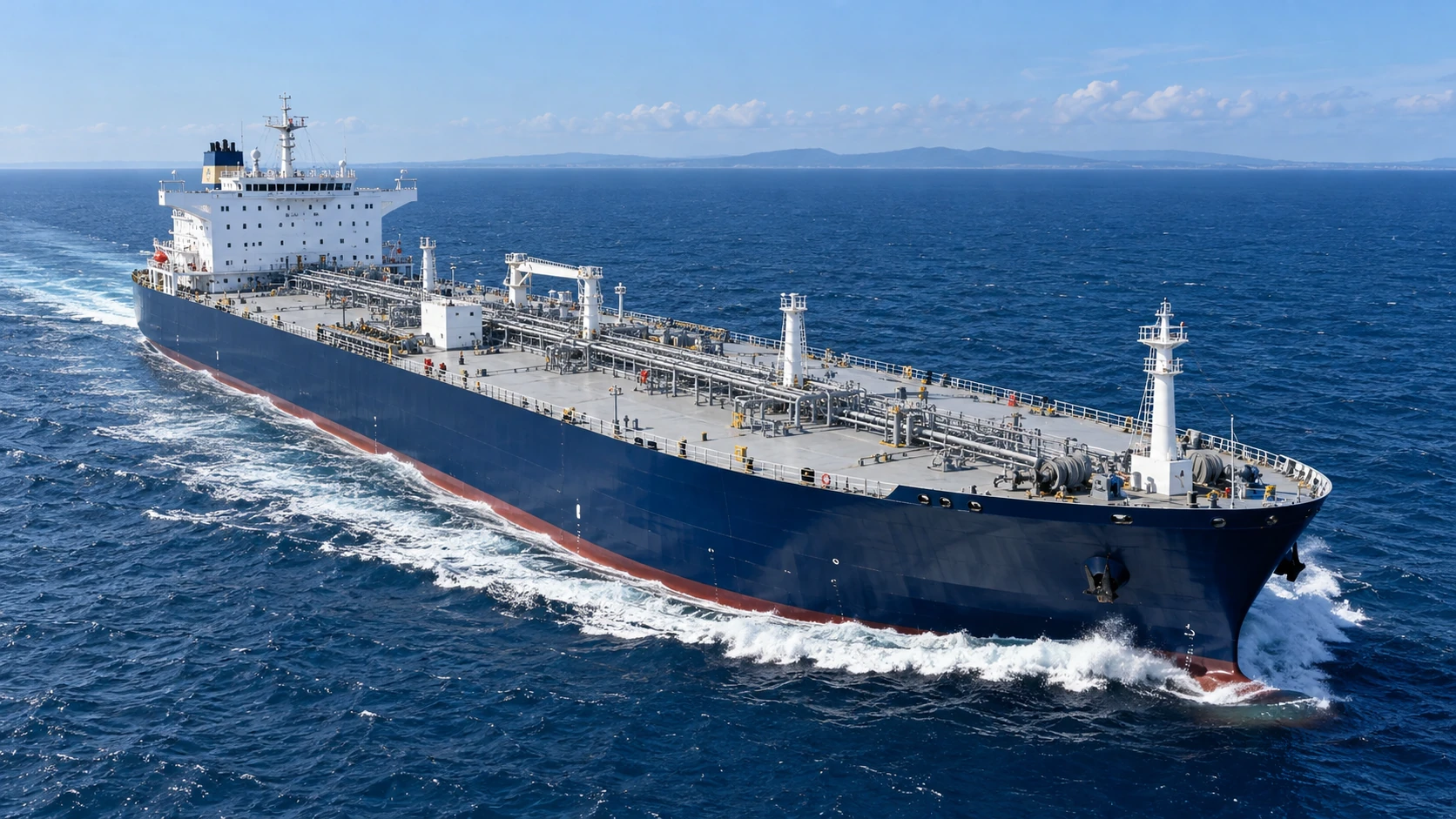
Illustrative product tanker with deck piping, viewed from the air

STABILITY & HYDROSTATICS

Preparing the inputs for a stability study

Stability calculations depend on the geometry, weight and loading information used in the assessment. Organising these inputs early helps define a reliable scope.

← Back to the resource centre

01 / PRACTICAL GUIDE

Establish the vessel geometry

A lines plan or usable hull model provides a basis for the hydrostatic model. Compartment and tank arrangements need to be consistent with the vessel configuration being assessed.

  • Lines plan or hull geometry
  • Tank and compartment arrangements
  • Capacity information and relevant centres
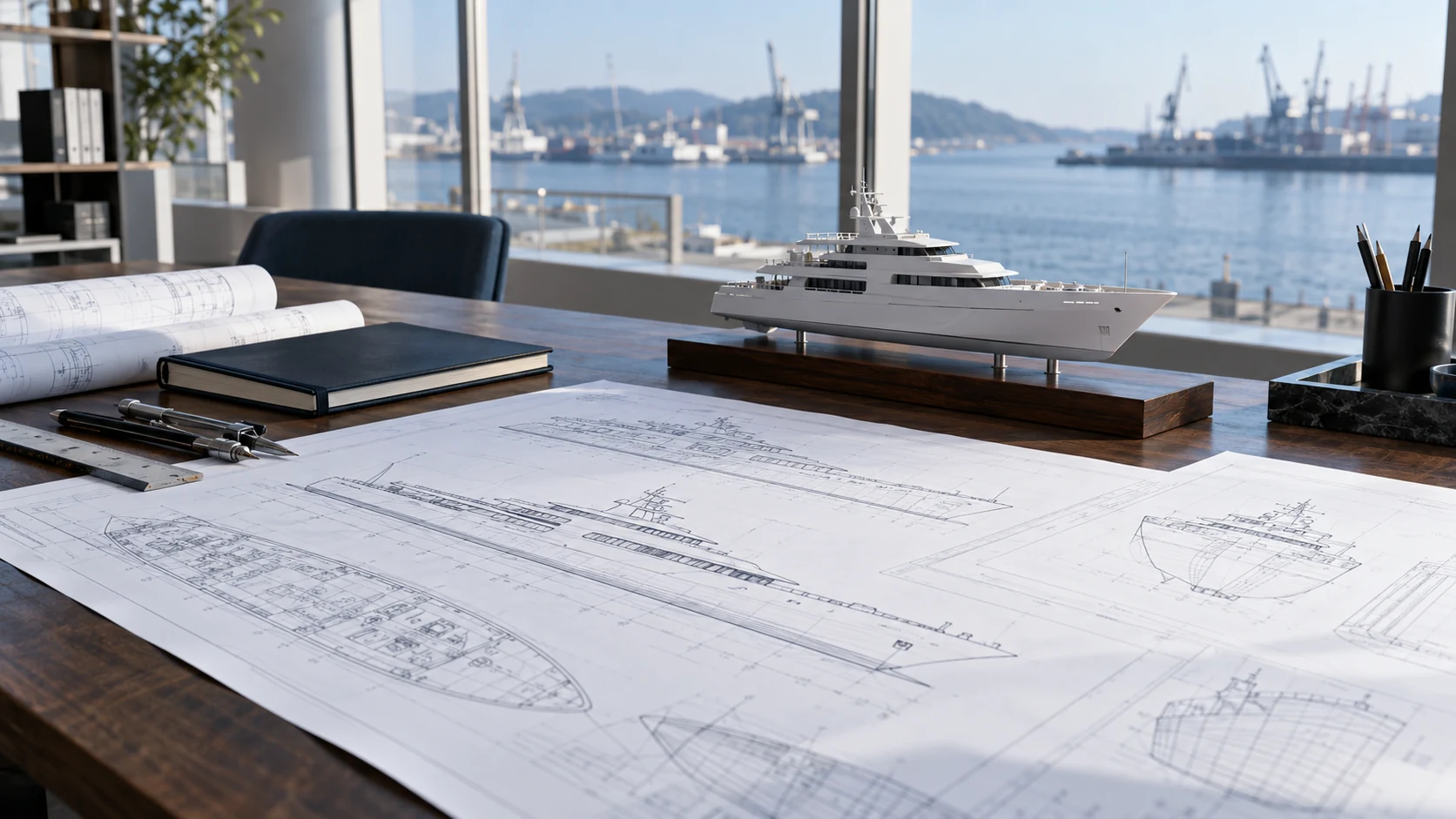
Illustrative naval architecture workspace with vessel drawings and a hull model

02 / PRACTICAL GUIDE

Identify the lightship basis

The available lightship data and its supporting records need to be reviewed. Changes since the recorded condition should be identified so their effect on displacement and centres of gravity can be assessed.

  • Existing lightship particulars
  • Inclining test or lightweight records, where available
  • A record of equipment and structural changes
Illustrative product tanker with deck piping, viewed from the air

03 / PRACTICAL GUIDE

Describe operating conditions

The study needs defined loading scenarios. Cargo, passengers, equipment, consumables and tank contents should reflect the intended operating cases rather than an unspecified vessel condition.

  • Departure, arrival and intermediate cases where relevant
  • Cargo and equipment arrangements
  • Tank contents and operating restrictions to be assessed
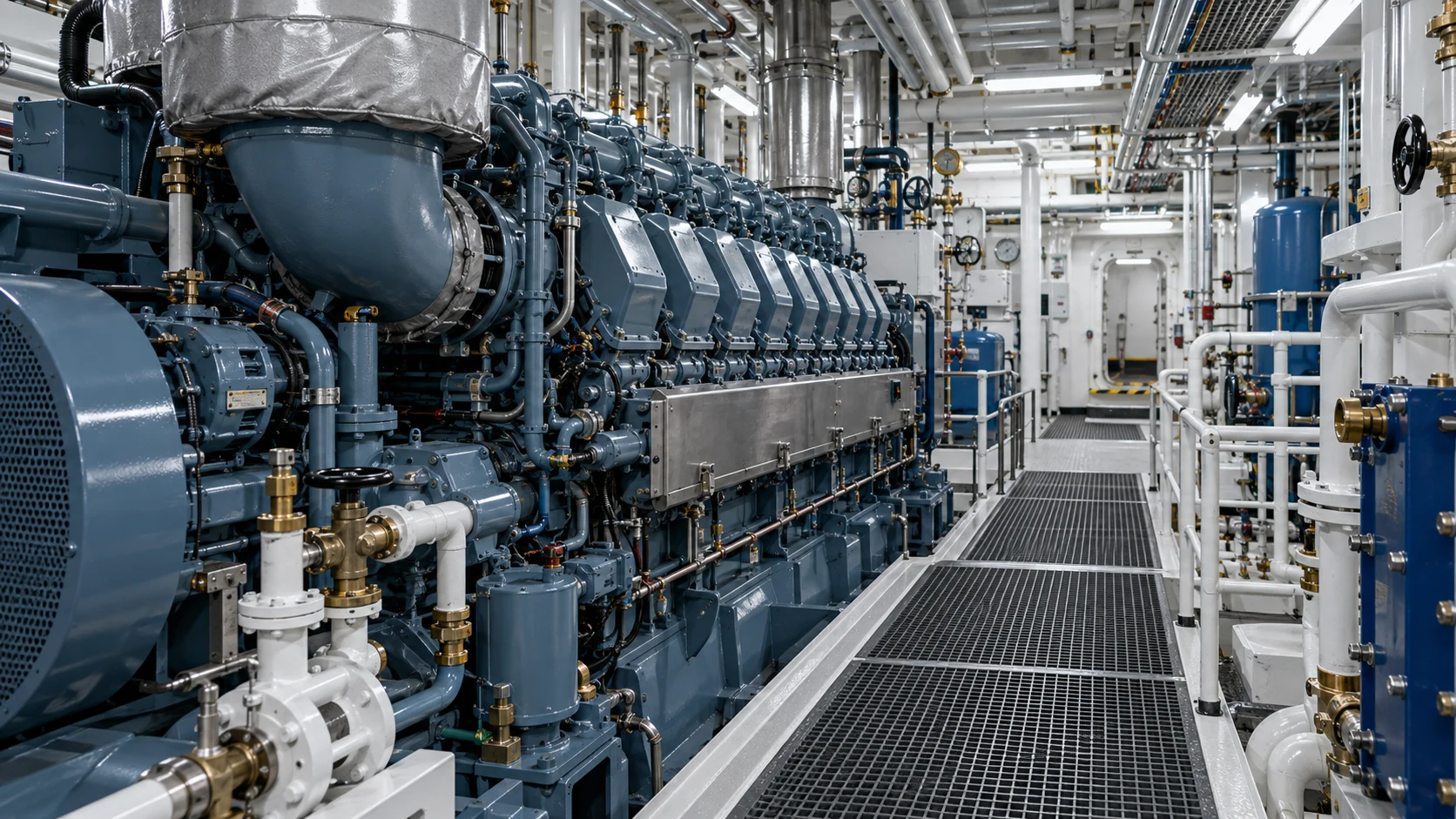
Illustrative marine engine room with machinery and piping

04 / PRACTICAL GUIDE

Confirm the review requirements

The criteria and documentation requirements depend on the vessel and the reviewing authority. These are identified for the specific vessel, flag, service and class. Website guidance cannot replace approved vessel stability information.

  • Vessel type, service and operating area
  • Flag and class details
  • Existing stability information and reviewer comments
Illustrative marine technical professional reviewing a vessel working deck
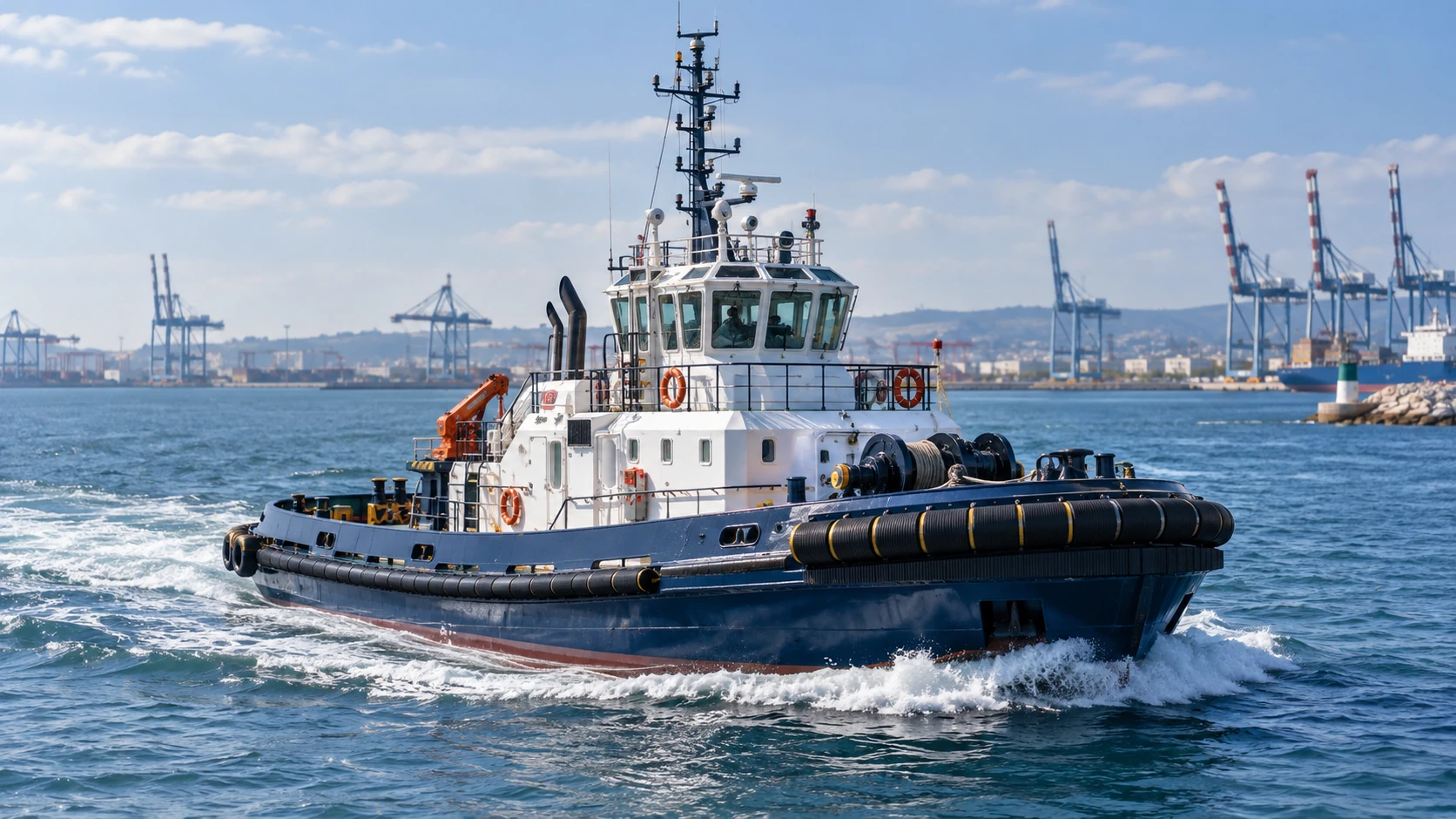
Illustrative harbour tug underway with working deck equipment

START THE CONVERSATION

Let’s bring your marine project into focus.

Share your vessel, technical requirements and next milestone. We’ll use your brief to define a coordinated engineering scope.